

Sales Slowed This Fall, but Homes That Sold Still Went Close to Asking
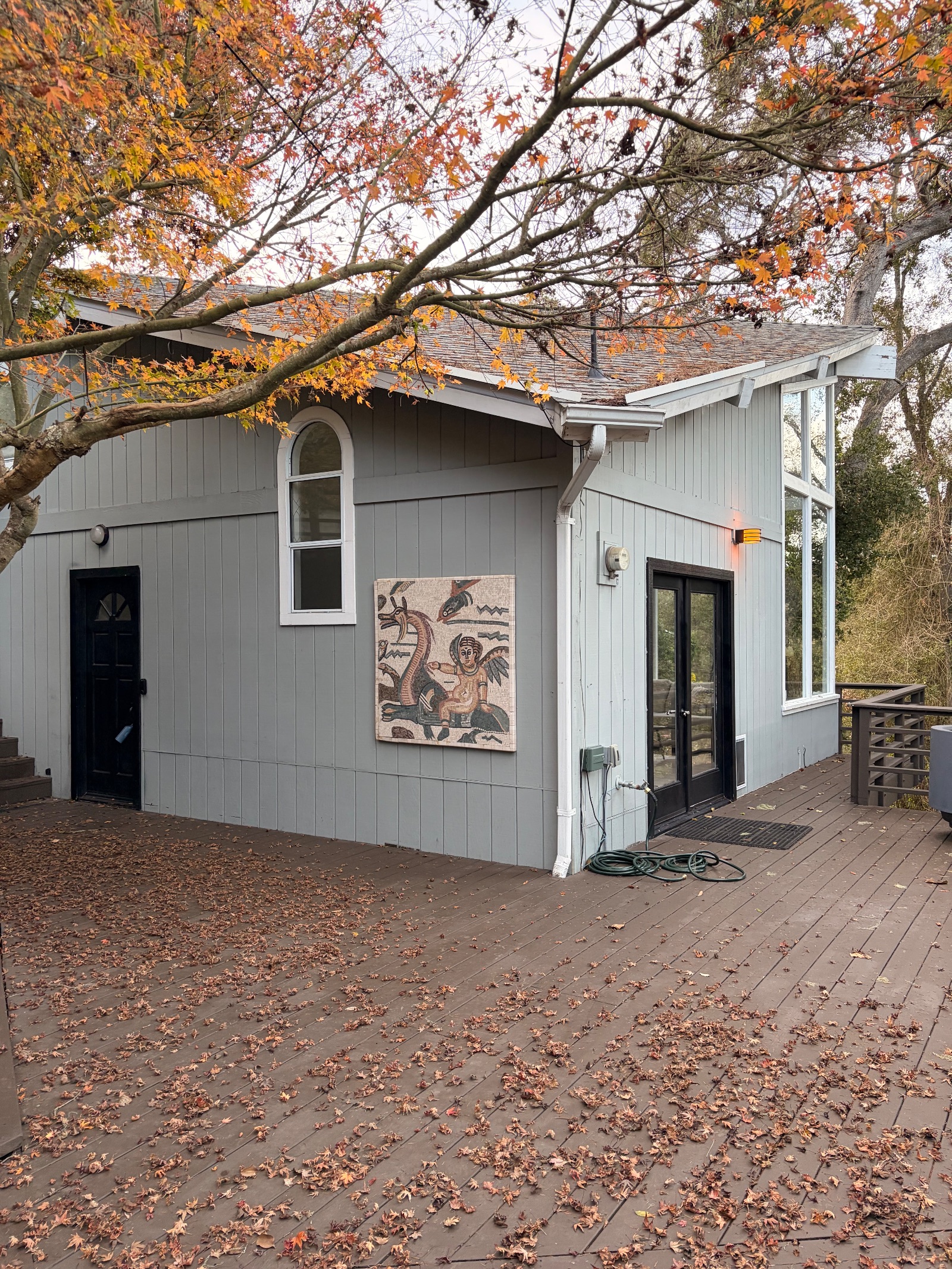
Marketed with a 2.9% rate in Aptos, CA
Rates rose and California sales slowed this fall. Here's what that means for Central Coast sellers, and how pricing and preparation help a home sell.
Rates went back up in November, and the latest California sales numbers aren’t cheerful. If you’ve owned your home for years and life is asking you to sell this winter, the question on your mind is probably simple: what if my home just sits?
That’s a fair worry. Here’s what the newest numbers say, what they don’t, and how pricing and preparation help a home sell in a slower market.
What the Latest Numbers Show
Rates: Freddie Mac says the 30-year fixed-rate mortgage averaged 7.28% as of November 19, up from 7.11% the week before. That’s a modest move in one week. Buyers still feel every step up in their monthly payment.
Sales: C.A.R. reports that California existing single-family home sales ran at a seasonally adjusted annualized rate of 246,830 in October, down 12.7% from October 2025. It’s the weakest California sales report in nearly three years.
Inventory: Buyers have more to choose from. NAR reports there were 1.59 million existing homes for sale nationwide at the end of October, up 4.6% from a year earlier.
Price to List: Here’s the number that often gets lost. C.A.R. says the statewide sales-price-to-list-price ratio (what a home sells for compared with its asking price) was 98.5% in October, compared with 98.3% in October 2025. Homes that sold were selling close to their asking price, and a touch closer than a year ago.
That said, these are state and national figures. They don’t show how long homes took to sell, how many cut their price along the way, or what’s happening on your street.
Slower Sales Don’t Mean No Sales
A slower market isn’t a market where homes don’t sell. It’s a market where buyers take their time, compare more listings, and pass on homes that feel priced for a different year. Fewer sales means fewer buyers at any moment, not zero buyers.
Higher rates also make buyers careful with every dollar. They’ll notice a home that’s clean, cared for, and realistically priced. They’ll also notice the one that isn’t.
Say it plainly: a home priced for last spring’s market will sit this winter. The good news is that pricing and preparation are both in your hands.
What This Means on the Central Coast
Santa Cruz County and Monterey County don’t always move with the state, and they don’t move as one market either. Results can differ by price range and property type, from condos to single-family homes. The statewide numbers set the backdrop. Your local comps tell the real story. For a closer look at how our area compared earlier this fall, see Monterey County Sales Rose in September as California Slowed.
How to Help Your Home Sell This Winter
Price It for Today’s Buyer
Your home holds years of family history, and it’s natural to price with that in mind. Buyers price with today’s rates in mind. If your biggest fear is leaving money on the table, know that a high price followed by cuts can cost more than a realistic price from day one. Trust the recent comps, not the headlines.
Prepare Before You List
Small repairs, a deep clean, and clearing out years of belongings help buyers see the home, not the to-do list. You don’t have to carry this alone. A good agent organizes this step, lines up help, and keeps you posted as it gets done.

Line Up Your Next Move Early
Being stuck between homes is a real fear, and it can make selling feel risky. Talk to a lender early about your next purchase, or plan a rental if that fits better. Knowing your numbers before offers arrive lets you decide calmly.
Expect a Quiet Week or Two
A slower market can mean fewer showings in a given week. That isn’t failure. Ask your agent what to expect in your price range before you list, so a quiet stretch doesn’t feel like a verdict on your home.
Where to start
Ask your agent for recent sales in your neighborhood and price range, and how long those homes took to sell. Then walk through your home with fresh eyes and list the repairs a buyer would notice first. If you’re also weighing timing, Sell This Fall or Wait for Spring? walks through that choice.
Talk to a lender about rates and your next home. I’m a REALTOR, not a lender. If the sale involves an inheritance or a divorce, a CPA or an attorney can answer the tax and legal questions. A local agent who knows your part of the Central Coast is worth having for each of these steps.
Prepared sellers have options, even in a slower season.
Sources
Common questions
Will my home still sell this winter now that rates are higher?
Homes are still selling, just at a slower pace. C.A.R. reports California existing single-family sales were down 12.7% in October from a year earlier, but the statewide sales-price-to-list-price ratio was 98.5%, so homes that sold went close to asking. Realistic pricing and good preparation give your home the best chance.
Should I price high to leave room for negotiation?
In a slower market, a high starting price often means fewer showings and later price cuts. Buyers have more listings to compare, so an overpriced home can sit. Ask your agent for recent comps in your price range and price from those, not from hope.
Do national inventory numbers apply to Santa Cruz and Monterey County?
Not directly. NAR's figure of 1.59 million homes for sale nationwide at the end of October shows the broad picture, but local results can differ by price range and property type. Your agent can pull the local numbers that matter for your home.
Market data last reviewed 2026-09-23.
More in For Home Sellers

7 Costly Mistakes Home Sellers Make (And How to Avoid Them)
Selling your home is a major financial event. Avoid these common mistakes that cost sellers thousands of dollars and weeks of unnecessary stress.

7 Tips to Maximize Your Home's Sale Price
Every seller wants top dollar. The good news: the difference between a good sale price and a great one often comes down to preparation and strategy. Here are…

Ethical Real Estate: What It Means to Truly Represent Your Client
In an industry where commissions can create conflicts of interest, ethical representation isn't just a legal obligation: it's a commitment to putting your client's best outcome above everything else.